

Meet the Acupuncturist: What Did Dr. Katrina Do Before Becoming an Acupuncturist?
Meet the Acupuncturist: What Did Dr. Katrina Do Before Becoming an Acupuncturist?
Before—and even during the early years of her career as an acupuncturist—Dr. Katrina wore many hats. She worked as a pet sitter and house sitter, taught math and tutored students, worked as a pharmacy technician and winery employee, and eventually found her calling as an acupuncturist and herbalist.
Looking back, Dr. Katrina sometimes feels like she was a completely different person before discovering Traditional East Asian Medicine. Not because she was unrecognizable—but because her approach to life and health changed so dramatically.
Before Acupuncture, She Was Just Trying to Get Through the Day
Dr. Katrina describes her younger self as constantly stressed and, at the time, not particularly focused on or invested in her own health. She was frequently injured, partly due to her hypermobility and partly from various accidents along the way. Her allergies were severe, sleep was often interrupted throughout the night, and fatigue was a frequent companion. Her immune system wasn’t exactly something she would have bragged about, either. And when something hurt or didn’t feel right, her typical approach was simple: reach for an over-the-counter medication, push through it, and keep going.
There wasn’t necessarily a focus on why she wasn’t feeling well. She was simply trying to get through the day. She describes it as living in survival mode. And perhaps the biggest problem wasn’t even her health. She wasn’t doing work she loved.
She had a variety of jobs over the years, and some were better experiences than others. Each one taught her something—but none compared to what she eventually found in acupuncture.
The Animal Lover
Dr. Katrina has always had a soft spot for animals, so it was only natural that one of her early jobs involved caring for them. During college, she worked as a pet sitter and house sitter, which provided a flexible way to help pay the rent while doing something she genuinely enjoyed.
The animals themselves were the easy part. She loved spending time with them, caring for them, and getting to know their different personalities. The veterinary environment, however, was another story. Being around sick or injured animals could be stressful and emotionally difficult, especially when their owners were worried and facing heartbreaking situations.
While she didn’t particularly enjoy that side of the experience, it reinforced something she already knew: she loved animals and always would. Caring for them was something that came naturally to her—and, as it turns out, some things never change.
Teaching Math
Another chapter in Dr. Katrina’s working life was spent as a head math instructor at an educational center serving children and teenagers. There were aspects of the job she genuinely enjoyed. Helping a student finally understand something that had been confusing or frustrating could be incredibly rewarding, especially when she could see the moment everything suddenly clicked.
She also enjoyed tutoring on the side and eventually worked with college students, where she was tasked with designing an introductory algebra course. While Dr. Katrina has always found certain aspects of math genuinely fun, teaching it as a career came with plenty of tedious moments and could sometimes be stressful and chaotic.
While she enjoyed mathematics and the critical thinking skills involved, it wasn’t where she wanted to build her future. Still, the experience taught her valuable lessons about patience, communication, problem-solving, and helping others work through challenges. Like the jobs that came before it, it became another important stepping stone—helping her better understand not only what she enjoyed, but also what she wanted from her eventual career.
Then Came the Pharmacy
Working as a pharmacy technician gave Dr. Katrina an entirely different perspective on healthcare. The experience was educational, eye-opening, and, as she readily admits, her least favorite job. And it wasn’t necessarily the patients who made it difficult. Much of the frustration came from everything happening behind the scenes—insurance issues, medication restrictions, legal regulations, prescription problems, and communication breakdowns between medical offices and pharmacies.
There were countless times when pharmacy staff found themselves trying to resolve problems they hadn’t created, only to become the ones who received the frustration and blame. Dr. Katrina understood that many of the people walking through the pharmacy doors were already sick, stressed, worried, or overwhelmed. That didn’t make being treated rudely or disrespectfully any easier, but it gave her a deeper understanding of how challenging the healthcare experience could be for both patients and providers.
She also saw firsthand how much smoother things could be when communication worked. When prescriptions went through without complications, patients were generally happy, interactions were easier, and there were certainly customers she genuinely enjoyed helping. But overall, the frustrations outweighed the positives. When she eventually left the pharmacy, she was grateful to move on.
Still, the experience was far from wasted. Working behind the pharmacy counter gave Dr. Katrina a firsthand look at a side of healthcare most patients never see. It taught her valuable lessons about communication, compassion, and the frustrations that can arise within the healthcare system—and, perhaps most importantly, helped shape the kind of healthcare provider she wanted to become and the type of patient experience she wanted to create.
A Little Time at a Winery
Then there was the winery—and this chapter was actually fun. Dr. Katrina grew up learning about wine and has always had an appreciation for it, even though she doesn’t tend to drink much herself. She made friends, met plenty of wonderful customers, and enjoyed many memorable experiences along the way.
Of course, no job is without its challenges. There were occasional rude or entitled customers, and the work could be surprisingly physical and demanding. Still, compared with some of her previous jobs, the winery brought plenty of good memories and enjoyable experiences.
It was another chapter in her journey—another opportunity to learn, meet people, and experience something completely different. And, like the jobs that came before it, it became another stepping stone on the path that eventually led her to where she was meant to be.
Then Everything Changed
Eventually, Dr. Katrina discovered acupuncture—and it changed the course of her life. After experiencing firsthand how acupuncture could affect her own health, she realized she had found something she genuinely wanted to pursue.
She went from someone who had spent years feeling stressed, frequently unwell, and disconnected from her own health to becoming deeply passionate about understanding how the body works and how to support health naturally. That curiosity led her back to school, where she studied acupuncture and Traditional East Asian Medicine and earned her master’s degree.
Eventually, she took the next step and opened her own practice. As she began building her practice, she continued her education and completed her doctorate, further expanding her knowledge and understanding of the medicine she had come to love.
What began as a personal experience with acupuncture ultimately became a career dedicated to helping others better understand and care for their own health. Karma Zen Acupuncture was born.
Acupuncture Changed More Than Her Career
Perhaps the most significant transformation wasn’t simply that Dr. Katrina became an acupuncturist. She became someone who genuinely values her own health.
Before acupuncture, taking care of herself wasn’t always a priority. Over time, Traditional East Asian Medicine taught her to pay closer attention to what her body was telling her rather than simply pushing through symptoms. She began making health and wellness part of her lifestyle. She became more intentional about exercise, incorporated yoga into her routine, and learned the importance of recovery and taking care of herself—not just waiting until something went wrong.
She isn’t constantly operating in survival mode anymore. She’s healthier, she’s happier, and she’s actually enjoying life. That’s something she wants for her patients, too. Not simply fewer symptoms or making it through another week, but actually feeling better and living better.
Every Job Was Part of the Journey
Looking back, Dr. Katrina can see that every job had something to teach her. Pet sitting taught her about responsibility, compassion, and caring for others. Teaching and tutoring taught her about education, communication, patience, and helping someone understand something that once seemed difficult. Working in a pharmacy gave her firsthand insight into the challenges and frustrations within the healthcare system. The winery taught her about working with people, meeting all kinds of personalities, and, fortunately, provided some good stories along the way.
None of those jobs was the final destination, but each one was a part of her journey as worked her way to becoming an acupuncturist.
Acupuncture gave Dr. Katrina something the others hadn’t: purpose. It gave her a career she genuinely enjoys, an opportunity to help people, and a reason to continue learning every day. It also gave her the chance to create the kind of healthcare environment she believes in—one where patients are treated as individuals rather than simply as a collection of symptoms.
And perhaps one of the best parts of the job? She gets to work with some pretty awesome people—her patients. She wouldn’t necessarily claim that being awesome is a requirement for becoming a Karma Zen Acupuncture patient, but her patients do seem to have an impressive track record.
Dr. Katrina is genuinely grateful for every person who trusts her with their health and allows her to be part of their journey. Being invited into someone’s life and having the opportunity to support them as they work toward better health is something she doesn’t take for granted.
While Dr. Katrina didn’t come into acupuncture with everything figured out, she became healthier and happier through the journey that eventually led her to this career.

Meet the Acupuncturist: Show Me Your Clinic
Take a look inside Karma Zen Acupuncture in Spicewood, TX.
“What does your clinic look like?”
It’s one of those questions that doesn’t have a simple answer because Karma Zen Acupuncture isn’t quite what you might expect when you hear the word “clinic.” It’s modest and cozy. In fact, it looks a little more like a house than a traditional medical office.
And that’s exactly part of what makes it special.
Welcome to the Texas Hill Country
Karma Zen Acupuncture is located in Spicewood, Texas, along State Highway 71, but you won’t feel like you’re sitting in a busy medical office.
The clinic is set back from the road and surrounded by several acres of land, creating a peaceful setting away from the traffic and activity of the highway. The Bee Creek runs along one side of the property, adding to the tranquil Hill Country atmosphere.
The clinic is also conveniently located near several surrounding communities, with Sweetwater just behind the property and Rough Hollow and Travis Settlement nearby. It’s in that part of Spicewood that feels almost like a bridge between Spicewood, Bee Cave, and Lakeway.
And then you pull into the property and discover something unexpected: A peaceful little clinic that feels more like home.
From Shared Office to Karma Zen Acupuncture
The clinic has evolved quite a bit over the years. When Dr. Katrina first opened her practice, she shared the office with chiropractor Dr. Larry Mann. They alternated days when they would treat their patients.
When Dr. Mann retired in 2022, Dr. Katrina took over the entire office—and with that came the opportunity to begin transforming the space into the clinic she envisioned. That meant changing the entrance, reworking the waiting area, rearranging the treatment room, and gradually creating an environment that felt more like Karma Zen Acupuncture.
These changes didn’t happen overnight.
Life has a funny way of getting in the way of even the best plans. There have been challenges, delays, and plenty of other responsibilities along the way. But little by little, the clinic has continued to evolve.
A Cozy Place to Wait
The waiting area is intentionally simple and comfortable. There are a couple chairs and a small leather couch that has become a favorite place to sit—and apparently it’s comfortable enough that it could double as a great place for a quick nap during a lunch break.
Sometimes a peaceful environment is all you need to begin slowing down before treatment even starts.
Step Into the Treatment Room
The treatment room is where the real transformation happens. Instead of a cold, clinical atmosphere, Dr. Katrina has created a space designed to feel warm, peaceful, and inviting. The treatment table is covered with a comfortable pad, making it much easier to settle in and relax. Soft natural light filters through the windows. Projected lights create a gentle glow across the ceiling. And infrared light therapy adds warmth while providing another therapeutic option during treatment.
For patients who want to incorporate it, LED red light therapy can also be added to their treatment.
Everything is designed around one simple idea: You should be able to relax while you’re here, because being able to relax helps with the healing process.
Sometimes the Acupuncturist Needs Acupuncture, Too
One of the best things about having your own treatment room? Dr. Katrina can use it herself. About once a week, she has used a break to rest onto the treatment table and treat herself while taking time to meditate under the LED and infrared lights. Because yes—even the acupuncturist needs to slow down sometimes. And perhaps that’s one of the best reminders that taking care of one’s health is important for everyone. Dr. Katrina strives to live by example, especially since taking care of her own health enables her to care for her patients.
There’s More to Come
While Karma Zen Acupuncture is currently a cozy, intimate practice, Dr. Katrina has bigger plans for the space. There’s room for yoga classes, educational events, and other wellness activities.
Her long-term vision is to gradually expand the clinic into more of a wellness center, creating a place where people can come not only when something hurts, but to learn how to take better care of themselves. That vision is still evolving. Just like the clinic itself.
Small Doesn’t Mean Less
Karma Zen Acupuncture may not be a giant medical facility with a huge lobby and dozens of treatment rooms. And that’s okay. In fact, Dr. Katrina values the personal connection and individualized care that a smaller practice allows her to provide.
Patients receive one-on-one care in a peaceful environment where they can slow down, breathe, and focus on themselves. Sometimes the best healing environment isn’t the biggest or fanciest one. Sometimes it’s a comfortable table, soft light, a quiet room, and someone who takes the time to listen.
That’s what Dr. Katrina hopes you’ll experience when you walk through the door.
Welcome to Karma Zen Acupuncture.
A little piece of tranquility tucked away in the Texas Hill Country.
And there’s still more to come.

Happy International Dog Day!
International Dog Day: Celebrating the Dogs Who Make Life Better
August 26 is International Dog Day, a day dedicated to celebrating our four-legged companions while also shining a light on dogs who are still waiting for loving homes. Whether they are shelter dogs, beloved family pets, mixed breeds, purebreds, working dogs, service dogs, or the goofy pup who has somehow taken over the entire couch, dogs have an incredible way of becoming part of our lives—and our hearts.
International Dog Day was founded in 2004 by animal advocate and pet expert Colleen Paige. August 26 was chosen because it was the date her family adopted their first dog, Sheltie, from an animal shelter. What began as a celebration of dogs has grown into a worldwide observance encouraging people to appreciate dogs and support those still waiting for families.
For Dr. Katrina, celebrating dogs is easy. Animals have always held a special place in her heart.
A Lifetime of Loving Dogs
Dr. Katrina grew up with rescue dogs, including a large mixed breed dog named Teddy Bear. He was a mix between a German Shepherd, Labrador Retriever, and Rottweiler. Despite his impressive size and intimidating-looking combination of breeds, Teddy was about as sweet as a teddy bear could be.
Her family also fostered dogs over the years—and, as often happens with fostering, there were a few happy foster fails. One of those was Shadow, an Australian Shepherd mix. Shadow was smart, affectionate, loved to cuddle, and had a wonderfully stubborn streak. He could even dance around on his hind legs.
That last part may sound familiar.
Dr. Katrina’s current English Bulldog, Dewey, has some of Shadow’s personality. Dewey is smart, silly, affectionate, and stubborn. When Dewey is excited about something, he will stand on his hind legs and twirl around like he is dancing. This is especially common when there is the prospect of a treat.
From Callie to Dewey
For many years, Dr. Katrina’s unofficial clinic mascot was her English Bulldog, Calliope—better known as Callie.
Callie was smart, sweet, stubborn, and a constant companion. She and Dr. Katrina traveled and moved across the country together, sharing nearly 14 years of adventures before Callie passed away almost two years ago.
Fortunately, Dewey arrived as a puppy before Callie was gone.
He had the opportunity to learn from the master.
And learn he did.
Dewey is now the successor to Callie’s unofficial mascot title. He’s also developed some unusual habits of his own, including acting more like a cat than a dog. Growing up with his feline sisters may have had something to do with that. He likes curling up on the back of the couch, follows Dr. Katrina around the house, and generally wants to be wherever the action is.
He has even watched Dr. Katrina use cupping on herself and seems genuinely fascinated by it. Perhaps he’s studying for his future career.
For now, though, Dewey is sticking to being a dog.
Dogs Are Good for Your Health, Too
Dogs don’t just bring companionship and unconditional love. They can also encourage healthier habits.
Walking a dog gets you moving, and having a four-legged companion who expects their daily outing can provide a pretty effective form of accountability. Dogs can also encourage people to spend more time outdoors, interact with their neighbors, and take breaks from work and screens.
There is also something incredibly calming about spending time with an animal. Petting a dog, playing with them, or simply having them curled up beside you can provide companionship and help create moments of relaxation.
And then there is the laughter.
Anyone who has lived with a dog knows they can be ridiculous. They have personalities, opinions, routines, and occasionally absolutely no understanding of personal space. Dewey is particularly talented at this.
The Daily Dewey Walk
One of Dr. Katrina’s favorite routines is taking Dewey for a walk around sunset. During the hotter months, the timing is especially important. Texas heat can be dangerous for dogs, particularly breeds like English Bulldogs, so walks are kept shorter and closer to sunset when temperatures are more manageable.
The walk benefits both of them. Dewey gets exercise and an opportunity to patrol his neighborhood, while Dr. Katrina gets some additional movement and a chance to say hello to neighbors.
Walking Callie used to provide those same opportunities. Over the years, those walks helped Dr. Katrina get to know people in the neighborhood and become part of the community.
Sometimes a dog is the best social coordinator you never knew you needed.
Acupuncture Isn’t Just for People
As an acupuncturist, Dr. Katrina also knows that acupuncture and other traditional therapies are used in veterinary settings to support certain animals. Veterinary acupuncture may be incorporated into care for issues such as pain, mobility concerns, and other conditions, depending on the animal and the veterinarian’s treatment plan.
Dr. Katrina treats people—not animals—but she absolutely appreciates the role acupuncture can play as part of integrative veterinary care when appropriately performed by someone trained in veterinary acupuncture.
And honestly, Dewey has enough opinions about everything else. It’s probably best that he isn’t one of her patients.
Make Every Day Count
Perhaps one of the biggest lessons dogs teach us is to appreciate the present moment.
Dogs don’t spend their days worrying about yesterday’s mistakes or tomorrow’s problems. They’re excited about breakfast. They’re excited about walks. They’re excited when you come home—even if you’ve only been gone for five minutes.
They remind us to enjoy the little things.
Dr. Katrina is especially aware of how precious that time is. Dogs simply don’t live as long as we do, which makes the years we get with them even more meaningful.
Callie had nearly 14 wonderful years. Dr. Katrina is grateful for every one of them.
Now she makes the most of her time with Dewey.
And Dewey makes sure she doesn’t forget.
Whether that means a sunset walk, cuddling on the couch, following her from room to room, or simply sitting nearby while she works, he is part of what makes her house feel like home.
Celebrate International Dog Day
This International Dog Day, take a moment to appreciate the dogs in your life. Give your dog an extra belly rub. Take them for a walk. Let them have the good treat. Spend a little extra time playing. And if you don’t currently have a dog, consider supporting a local shelter or rescue organization—or simply sharing a shelter dog’s story to help them find a home.
Dogs give us companionship, laughter, motivation, unconditional affection, and countless memories.
And sometimes the best thing we can do for our own health is step away from everything else, grab the leash, and go enjoy a walk with our best friend.
Happy International Dog Day from Dr. Katrina and Dewey!
And yes, Dewey would like you to know that he considers everyday Dog Day.

National Relaxation Day: Permission to Stop Doing All the Things
Celebrate National Relaxation Day on August 15 with simple ways to unwind, reduce stress, and recharge.
When was the last time you truly relaxed?
Not scrolling through your phone while thinking about everything you still need to do. Not watching television while answering emails. Not lying in bed worrying about tomorrow. We’re talking about genuine, intentional relaxation—the kind where you actually give your mind and body permission to slow down.
That’s exactly what National Relaxation Day is all about.
Celebrated every year on August 15, National Relaxation Day has a surprisingly fun origin. It was created in 1985 by nine-year-old Sean Moeller of Michigan, who believed people needed a day to stop working so hard and simply relax. His philosophy was refreshingly straightforward: cleaning and real work didn’t really belong on a relaxation day. Honestly, nine-year-old Sean may have been onto something!
Relaxation Isn’t Being Lazy
In a culture that often celebrates being busy, relaxation can feel like something we have to earn. We finish the work, take care of everyone else, check everything off the list—and then maybe, if there is any time left, we relax.
But relaxation isn’t wasted time.
Taking time to slow down gives your body and mind an opportunity to step away from the constant demands of daily life. Chronic stress can affect how we feel physically and emotionally, which is why developing healthy ways to manage stress is an important part of taking care of yourself.
Sometimes the simplest things can make the biggest difference. Put your phone away and give yourself a digital detox. Turn off unnecessary notifications. Take a quiet walk outside and notice what is around you instead of thinking about your to-do list. Sit beneath a tree, listen to music, read a book, take a warm bath, or simply sit quietly for a few minutes.
And don’t underestimate the power of your breath.
Slow, controlled breathing is simple, free, and can be done almost anywhere. Taking a few slow breaths can become a small daily ritual that reminds your nervous system that it is okay to slow down.
What About Acupuncture?
For many people, acupuncture itself can become a form of intentional downtime.
You arrive, answer a few questions, get comfortable on the treatment table, and then…you don’t have to do anything.
You can simply lie back and relax.
Acupuncture has been studied for a variety of conditions, particularly pain. Research suggests it may help with several types of pain, including back and neck pain, osteoarthritis-related knee pain, and headaches. Researchers also believe acupuncture may influence the nervous system and other tissues, although exactly how acupuncture works is not completely understood.
That makes an acupuncture appointment more than simply another item to squeeze into an already packed schedule. It can be an opportunity to pause, breathe, and give yourself some uninterrupted time to focus on your health.
At Karma Zen Acupuncture, treatments may also incorporate complementary therapies when appropriate, such as cupping, Gua Sha, moxibustion, infrared therapy, or herbal medicine. The goal isn’t to do everything to everyone. Treatments are individualized because every person is different.
Relaxation Is Something You Can Practice
You don’t have to wait for a vacation to relax.
You don’t even have to wait for National Relaxation Day.
Start small. Give yourself five quiet minutes. Take a walk without your phone. Put your feet up. Listen to your favorite music. Take several slow breaths before bed. Spend time outside. Do something you genuinely enjoy simply because you enjoy it.
And if your version of relaxation includes lying comfortably on an acupuncture table while someone else takes care of you for a while, that’s perfectly acceptable too.
If you can’t make it in for acupuncture today, celebrate National Relaxation Day a little late. Book your appointment for next week—or better yet, make relaxation and wellness part of your routine throughout the year.
Your health deserves more than an occasional day off.
Sometimes the most productive thing you can do is stop, breathe, relax, and recharge.
Happy National Relaxation Day!

Meet the Acupuncturist: Herbs or Pins—Which Does Dr. Katrina Prefer?
If you had to choose between herbs and acupuncture needles, which would you pick?
At Karma Zen Acupuncture, both have an important place in Traditional East Asian Medicine. Sometimes herbs are the better tool. Sometimes acupuncture is the better choice. And sometimes the two together can be a powerful combination.
But if you ask Dr. Katrina which she prefers?
She’ll probably choose the pins.
Not because she doesn’t appreciate herbal medicine—she absolutely does—but because there is something almost magical about what acupuncture needles can do in the hands of someone who truly understands how to use them.
Think of acupuncture needles as tiny little wands. The magic, however, isn’t really in the wand. It’s in the person holding it.
It’s Not Just About Sticking Needles in Someone
Acupuncture can look deceptively simple. As patient lies down, an acupuncturist inserts a few tiny needles. The patient relaxes as the treatment works it’s “magic”. Easy, right? Not exactly. Behind those tiny needles are years of education, clinical training, anatomy, physiology, Traditional East Asian Medicine theory, diagnosis, and hands-on experience.
Dr. Katrina completed thousands of hours of education and clinical training to become a Doctor of Acupuncture and Chinese Medicine. During those years of training, she received treatments weekly and used that as additional opportunities to learn.
Throughout her education, she treated hundreds of people. Every patient was different. Every body responded differently. Every treatment provided another lesson. And that learning continues today from her continuing education, personal research, conferring with colleagues around the world, and from each patient she treats.
After more than a decade of treating patients, Dr. Katrina has developed an appreciation for how much can be accomplished with an acupuncture needle when the practitioner understands the individual sitting in front of them.
She’s Seen Some Pretty Incredible Changes
One of the reasons Dr. Katrina loves acupuncture is seeing patients accomplish things they weren’t sure were possible. She’s seen patients recovering from neurological events, such as strokes, regain function. There are people she’s helped who had lived with chronic pain for years and finally experienced meaningful improvement. She’s worked with patients experiencing neuropathy who hadn’t found adequate relief through conventional approaches. And she’s watched patients gradually become more active, sleep better, have more energy, and simply feel more like themselves again.
Every patient is different. Some people respond quickly. Children and younger adults can often respond with fewer treatments, while older patients occasionally surprise Dr. Katrina with just how quickly they improve.
There is no universal timeline. That’s one of the reasons individualized treatment matters.
The Secret Ingredient? Consistency.
One of the biggest patterns Dr. Katrina notices in patients who do well is consistency. They come to their appointments. They communicate honestly about what’s changing. They follow recommendations. They use complementary therapies when appropriate. And they give the treatment process time to work.
Acupuncture isn’t usually a one-and-done experience. Think about it this way: if your body has been dealing with something for months or years, it’s probably unrealistic to expect everything to change after one treatment. Your body needs time. Consistency gives it that opportunity. Many people can spend years trying conventional approaches in hope of obtaining relief from their health problems. Then after receiving regular acupuncture, Dr. Katrina has seen her patients feel better.
Acupuncture Isn’t Always About Needles Alone
While Dr. Katrina loves her pins, they aren’t the only tools in her toolbox.
Depending on the individual and their treatment plan, she may incorporate complementary therapies such as:
- Herbal medicine
- Moxibustion
- Cupping
- Gua Sha
- Infrared therapy
- Topical herbal products (like Evil Bone Water)
- Other supportive therapies
One favorite topical is Evil Bone Water, an herbal liniment that patients can use between treatments when appropriate.
These therapies can complement acupuncture and provide patients with additional ways to support their progress between visits.
And Then There’s Feeling the Zen from a Treatment
Perhaps one of Dr. Katrina’s favorite things about acupuncture is that euphoric feeling from an acupuncture treatment, that she refers to as feeling the Zen. Being able to rest as your body is healing itself naturally thanks to some carefully replaced acupuncture needles leaves patients with very calm and relaxed happiness.
Many patients report feeling deeply relaxed during and often after treatment. Some notice better sleep, improved energy, a greater sense of calm, or simply that wonderful feeling of having finally given themselves permission to stop for a while.
The only thing patients really need to do is show up, answer questions during their intake, and then let Dr. Katrina do the work. She makes it look easy. That’s the benefit of having thousands of hours of training and years of experience behind those tiny needles.
Herbs Still Have Their Place
As much as Dr. Katrina loves acupuncture, she wouldn’t want anyone to think she doesn’t appreciate herbal medicine. She does. Traditional East Asian herbal formulas can be incredibly sophisticated. They’re not simply a collection of random herbs thrown together. Each ingredient has a purpose. She takes herbal formulas daily depending on her pattern that she has been trained to recognize.
Sometimes acupuncture is the right tool. Other times herbs are the right tool. There are times combining them makes the most sense. The goal isn’t to choose a favorite. The goal is choosing what is appropriate for the individual patient. Although if you ask Dr. Katrina to pick? She’s probably still reaching for the needles.
The Real “Magic” Is the Whole Process
Acupuncture needles may be tiny, but the education and experience behind them are anything but.
It’s the combination of: Training + experience + individualized treatment + consistency + patient participation that can make acupuncture such a powerful part of a person’s health journey.
So yes, Dr. Katrina prefers the pins.
But perhaps the better answer is that she prefers the right tool for the right person at the right time. And sometimes that tool just happens to be a few very tiny needles.
Come in. Lie back. Relax. Let the acupuncture do the work.
After all, you’ve already done the hardest part: You showed up.

Meet the Acupuncturist: No Homework—Just Simple Recommendations You Can Actually Use
Discover Dr. Katrina’s simple, personalized health recommendations for building lasting wellness habits.
If you’ve ever been a patient at Karma Zen Acupuncture, there’s a good chance you’ve heard Dr. Katrina say something that sounds suspiciously like homework.
But she prefers a different word:
Recommendations.
Why?
Because “homework” can sound like one more thing you’re supposed to do. And most people already have enough things on their to-do list.
Instead, Dr. Katrina wants her patients to have simple, realistic recommendations that fit into their actual lives.
Your Treatment Plan Is About More Than Acupuncture
Every patient at Karma Zen Acupuncture receives an individualized treatment plan based on their specific needs. But treatment doesn’t stop when the needles come out. Throughout the course of care, Dr. Katrina continues to offer recommendations that may help support the progress you’re making in the treatment room.
And trying to change everything at once can leave you overwhelmed and ready to give up before you’ve even started. That’s why Dr. Katrina believes in starting small.
Start Where You Are
Want to exercise more? That doesn’t necessarily mean joining a gym and committing to an hour-long workout every day. Start with a 10-minute walk. Maybe that’s 10 minutes a day. Maybe it’s three days a week. Once that becomes comfortable, build from there.
Want to improve your sleep? Start by establishing a consistent bedtime routine. Begin getting ready for bed at approximately the same time each night and work toward being in bed at a consistent time.
Need to drink more water? Don’t tell yourself you’re suddenly going to drink a gallon of water every day. Start with one glass of water first thing in the morning. Then keep a tumbler of water somewhere you spend a lot of time—next to the couch, at your desk, or beside your bed.
Want to cut back on caffeine? Don’t necessarily go from several cups a day to zero overnight. Try reducing your intake one cup at a time.
Small changes are easier to maintain.
Don’t Try to Change Everything at Once
One of Dr. Katrina’s biggest recommendations is to work on only one to three things at a time, depending on what those changes are. Why overwhelm yourself? The goal isn’t to create the perfect lifestyle tomorrow. It’s to create sustainable changes that eventually become part of your lifestyle. You don’t have to completely reinvent yourself. Start where you are. Start small. Keep going.
There is also no magic number of days when a behavior suddenly becomes a habit. The commonly repeated “21 days” idea isn’t supported as a universal rule. Research shows that habit formation varies substantially depending on the person and the behavior, with some healthy habits taking considerably longer than a few weeks.
Dr. Katrina still likes using 28 days as a short-term goal because it gives patients a manageable period to focus on practicing a new behavior without thinking they have to change their entire life forever.
Think of it as:
“Let’s try this for the next 28 days and see how you feel.”
Not:
“You have to do this perfectly forever.”
Dr. Katrina’s Favorite Recommendation: Breathe
Of all the recommendations Dr. Katrina gives, one of her favorites is also one of the simplest:
Practice slow, controlled, deep breathing.
You don’t need special equipment. You don’t need a class. You don’t need an app, though that can be a useful tool. And you don’t even need a lot of time.
Slow breathing has been studied for its effects on the autonomic nervous system and psychological well-being, with research suggesting benefits related to relaxation, stress, and anxiety regulation. It can even be when dealing with pain.
Dr. Katrina recommends starting with just a couple of minutes. Don’t worry about timing it perfectly.
Simply practice:
Breathe in slowly.
Pause.
Breathe out slowly.
Pause.
Repeat.
One of her favorite times to practice is when you’re lying in bed while trying to fall asleep—or fall back asleep.
And here’s where it becomes especially useful.
The more familiar you become with your breath, the easier it can be to remember to use controlled breathing when you’re stressed, frustrated, overwhelmed, or experiencing discomfort. Eventually, you don’t have to think about it. You just breathe.
If your smartwatch has a breathing or mindfulness reminder, that can be an easy way to build the practice into your day.
And if you’ve ever wanted to explore meditation or more involved mindfulness practices, controlled breathing is a wonderfully simple place to begin.
A Bonus Recommendation: Try Your Superhero Pose
Need a little confidence before a stressful event?
Dr. Katrina has another favorite recommendation:
Stand like a superhero.
Before a presentation, job interview, big meeting—or even a difficult conversation—try standing upright for about two minutes.
Place your feet about shoulder-width apart.
Stand tall.
Relax your shoulders.
Keep your chest comfortably open.
Place your hands on your hips.
Take several slow, controlled breaths.
As you breathe in, think:
“I am ready.”
As you breathe out:
“I’ve got this.”
Dr. Katrina recommends it because taking a moment to stand tall, breathe, and intentionally shift your posture can be a simple way to pause and prepare yourself mentally.
It’s also something you can teach your kids.
Imagine your child standing like a superhero for a couple of minutes before a big test, presentation, performance, or another situation that makes them nervous.
Sometimes a little preparation can make a big difference.
Dr. Katrina even practiced it before her own board exams—and passed them on her first attempt. She felt confident going into each exam instead of stressed and nervous.
It’s also a fun way to start your day.
Your Health Isn’t a School Assignment
The most important thing Dr. Katrina wants her patients to understand is that recommendations aren’t about perfection. They’re about participation.
Patients who actively participate in their health often become more aware of what their bodies need. They begin noticing patterns. They become more conscious of their sleep, hydration, movement, breathing, nutrition, and stress. And that awareness can be powerful.
Acupuncture isn’t something that happens to you.
Your health isn’t something you hand over to someone else.
Your practitioner can provide guidance, treatment, education, and support—but you are an important part of the process.
That’s why Dr. Katrina doesn’t really give homework. She gives you tools. Simple tools. One small change at a time. Because you don’t have to become a completely different person to become healthier.
Start where you are.
Do what you can.
Keep it simple.
And build from there.
That’s how small recommendations can become healthier habits—and healthier habits can become a healthier way of life.
The information in this article is for educational purposes and is not a substitute for individualized medical advice. Recommendations should be adapted to your personal health circumstances.

Meet the Acupuncturist: Traditional East Asian Medicine & Modern Medicine—Why Not Both?
One of the questions asked during Meet the Acupuncturist Month is:
“What do you wish people knew about Traditional East Asian Medicine versus modern medicine?”
For Dr. Katrina Giangarra, DACM, LAc, Dipl OM, the answer is simple.
She wishes we would stop thinking of healthcare as competing systems and instead think of it as medicine working together with a greater emphasis on prevention, health, and wellness.
Healthcare shouldn’t be divided into “traditional,” “modern,” or “integrative.” Every discipline has strengths. Every profession has something valuable to offer. The ultimate goal should always be helping people live healthier, happier lives.
Prevention Should Be the Foundation
One thing Dr. Katrina has observed throughout her career is that the healthiest people rarely wait until something is seriously wrong before taking care of themselves.
People who prioritize:
- Nutritious foods
- Regular exercise
- Quality sleep
- Proper hydration
- Stress management
- Mindfulness
- Acupuncture
- Herbal medicine when appropriate
often stay healthier, recover faster from illness and injuries, and maintain their independence much longer.
Health shouldn’t begin when disease appears.
It should begin long before that.
Traditional East Asian Medicine has embraced this philosophy for thousands of years.
Acupuncture Is More Than “Dry Needling”
One misconception Dr. Katrina wishes people understood is the difference between acupuncture and dry needling.
While both may involve thin needles, the education behind them is dramatically different.
Licensed acupuncturists complete thousands of hours of graduate-level education, including anatomy, physiology, pathology, safety, diagnosis, clinical training, acupuncture theory, herbology, and foundations of East Asian medicine.
To become nationally board certified through the National Certification Board for Acupuncture and Herbal Medicine (NCBAHM)—formerly the NCCAOM—students typically graduate from a four-year ACAHM-accredited master’s or doctoral program with more than 2,600 hours of education and clinical training, complete Clean Needle Technique certification, and pass rigorous national board examinations.
By comparison, some dry needling certifications can be completed in as little as 24 to 48 hours of weekend training.
Interestingly, the trigger point techniques commonly associated with dry needling have been taught for years within acupuncture programs as part of sports medicine training.
The extensive education required of licensed acupuncturists isn’t simply about learning where to place needles.
It’s about understanding when to needle, when not to needle, how to needle each point at the proper depth, angle, and direction, how to safely adapt treatments to each individual, and how to view the entire person—not just focus on a symptom.
Acupuncture is often incredibly gentle.
In many cases, less is more.
Traditional East Asian Herbal Medicine Is More Than Supplements
Another area that deserves greater understanding is herbal medicine. Many people think herbal medicine simply means taking a handful of supplements. Traditional East Asian herbology is much more sophisticated.
Herbal formulas are carefully designed much like recipes. Each herb has a purpose, and the ingredients work together to enhance effectiveness while balancing one another.
Dr. Katrina has often found properly prescribed herbal formulas to be more effective than people trying to piece together numerous supplements on their own.
Food also plays an important therapeutic role. Many everyday foods are considered medicinal in Traditional East Asian Medicine, making nutrition an integral part of treatment—not simply calorie counting or taking another pill.
Modern Medicine Has an Important Place
Although Dr. Katrina is passionate about Traditional East Asian Medicine, she does not believe it replaces modern medicine. There are absolutely times when medications, surgery, emergency care, or advanced medical procedures are necessary and lifesaving.
The goal isn’t choosing one over the other. It’s knowing when each approach is most appropriate.
At one point, Dr. Katrina worked in a pharmacy. She witnessed firsthand how some patients accumulated medication after medication—sometimes taking additional prescriptions simply to manage the side effects of previous ones.
She also observed many people living sedentary lifestyles while depending almost entirely on medications to manage their health problems.
At the same time, she’s cared for patients in their 80s and 90s who maintain active lifestyles, take few or no medications, and enjoy remarkable health.
She’s also helped patients recover after surgeries when lingering pain remained despite the procedure going exactly as planned.
These experiences reinforced an important lesson:
Medicine works best when we support the body’s ability to heal whenever possible.
Balance Is the Key
Dr. Katrina has also seen the opposite extreme.
Some people avoid all conventional medicine, rely on dozens of supplements, pursue every natural therapy imaginable, and still struggle because they’re overwhelming their bodies.
Health isn’t about extremes. It’s about finding the right balance for the individual.
Traditional East Asian Medicine includes many tools that work together, including:
- Acupuncture
- Herbal medicine
- Cupping
- Gua Sha
- Therapeutic nutrition
- Qi Gong
- Tai Chi
- Yoga
- Mindfulness and healthy lifestyle practices
Every person is unique. Every treatment plan should be unique as well.
A Personal Journey
Dr. Katrina’s own path reflects this philosophy.
Growing up with a mother who was a nurse, she was raised in a healthcare environment where the solution to most problems was taking medication along with visiting the doctor.
It wasn’t until acupuncture transformed her own health—improving her back injury, sleep, allergies, immune system, energy, and overall well-being—that she realized there was another way to support the body.
That experience changed the course of her life and inspired her to dedicate her career to helping others discover what Traditional East Asian Medicine can offer. After more than a decade of treating patients, Dr. Katrina believes the future of healthcare isn’t choosing sides. It’s bringing together the best of modern medicine and Traditional East Asian Medicine to help people live healthier, stronger, and more fulfilling lives.
Because true health isn’t just about treating illness.
It’s about creating wellness.

A Frequently Repeated Phrase We Share With Patients at Karma Zen Acupuncture
The Most Important Phrase We Share With Patients at Karma Zen Acupuncture: “If you don’t make time for your wellness, you will be forced to make time for your illness.”
— Commonly attributed to author and educator Joyce Sunada
If you’ve been a patient at Karma Zen Acupuncture for very long, you’ve probably heard Dr. Katrina say this quote. In fact, she jokes that she sounds like a broken record because she repeats many of the same recommendations over and over again. But there’s a reason for that.
Some messages are simply too important not to repeat.
This quote has become more than just a saying—it’s a philosophy that guides how Dr. Katrina treats patients and how she strives to live her own life. In fact, you’ll find it at the bottom of many of her carefully written emails (occasionally accompanied by a typo or two… computers have never been her specialty. Thankfully, acupuncture is!).
Wellness Isn’t Something You Do When You Have Time
Long before she became an acupuncturist, Dr. Katrina understood the value of taking care of your health. As an observant child, she noticed it’s something many people overlook. It’s something she has continued to notice throughout her adult life and as she’s treated patients
The people who consistently cared for themselves through healthy eating, regular exercise, quality sleep, proper hydration, stress management, and preventive healthcare generally enjoyed healthier, more active lives. They recovered more quickly from injuries and illnesses, experienced fewer health setbacks, and often maintained their independence well into their later years.
She has seen this throughout her life—in family members, friends, and especially in her patients.
It’s not uncommon to meet someone in their 90s who has made healthy living a lifelong priority and is more active, energetic, and independent than someone decades younger whose health has been neglected.
Age certainly matters, but lifestyle often matters even more.
Your Health Is Built One Choice at a Time
Many people think about their health only after something goes wrong.
A sore back.
Constant headaches.
Poor sleep.
Digestive problems.
Stress and anxiety.
Joint pain.
Hormonal changes.
Chronic fatigue.
By the time symptoms become impossible to ignore, the body has often been asking for help for quite some time.
Health shouldn’t be an afterthought.
It should be a way of life.
The small choices you make every day create the foundation for the life you’ll enjoy tomorrow.
Acupuncture Is Part of a Healthy Lifestyle
At Karma Zen Acupuncture, treatment isn’t just about masking symptoms.
Acupuncture works by helping restore balance within the body and supporting its natural ability to heal. Traditional East Asian Medicine looks for the underlying patterns contributing to pain or illness rather than simply covering them up.
Whether someone is recovering from an injury, managing chronic pain, improving sleep, balancing hormones, reducing stress, or simply wanting to stay healthy, acupuncture can be an important part of a comprehensive wellness routine.
Herbal medicine and complementary therapies like cupping, gua sha, moxa, and infrared light therapy can further support healing and help the body function at its best.
Dr. Katrina Practices What She Recommends
One of the reasons Dr. Katrina so strongly believes in acupuncture is because she’s experienced its benefits firsthand.
After suffering a back injury, acupuncture helped relieve her pain while supporting her body’s healing process. Along the way, she also noticed improvements she never expected—better sleep, increased energy, fewer allergies, a stronger immune system, and an overall improvement in her quality of life.
Those experiences ultimately inspired her to become an acupuncturist.
Today, even while helping patients every week, she continues to prioritize her own health. She exercises regularly, practices yoga, eats well, stays active, and makes sure to treat herself with acupuncture.
Because taking care of others starts with taking care of yourself.
Don’t Wait Until Your Body Forces You To
Life gets busy.
There are always deadlines, appointments, responsibilities, and reasons to put yourself last.
But your health doesn’t pause while you’re busy.
Investing in your wellness today can help you enjoy tomorrow with more energy, less pain, greater resilience, and a higher quality of life.
Don’t let health problems define your future.
Define yourself by the choices you make today to live a healthier, happier, and more active life.
At Karma Zen Acupuncture, we’re here to help you make wellness part of your lifestyle—not just something you think about when you’re sick.
Because when you make time for your wellness, your future self will thank you.

Meet the Acupuncturist: The Woman Behind Karma Zen Acupuncture
Meet the Acupuncturist: Dr. Katrina Giangarra, DACM, L.Ac., Dipl. O.M.
Every August, acupuncturists across the country celebrate #MeetTheAcupuncturist, a campaign created by a fellow acupuncturist to help educate the public about acupuncture, herbal medicine, and the people dedicated to improving the health of their communities. It offers a chance to share our stories, explain what inspires us, and help patients get to know the practitioners behind the treatments.
We’re joining the celebration a day late, but we’re excited to kick things off by introducing the woman behind Karma Zen Acupuncture—Dr. Katrina Giangarra, DACM, L.Ac., Dipl. O.M.
From Florida to the Texas Hill Country
Although Dr. Katrina grew up in Florida, her heart was captured by Texas during her teenage years after her father and stepmother moved to the beautiful Texas Hill Country. While Florida often finds itself in humorous headlines, she assures everyone it’s far more normal than the internet would have you believe!
When it came time for college, Texas called her back. She attended Baylor University, earning a Bachelor of Science in Biochemistry. Fascinated by how the human body functions at the molecular level, she immersed herself in science and medicine, never imagining that a personal health challenge would soon change the direction of her life.
The Treatment That Changed Everything
While back in Florida, Dr. Katrina injured her back. Looking for relief, she turned to a friend who happened to be an acupuncturist.
The treatments did far more than simply reduce her pain.
Her back healed naturally without relying on medications or invasive procedures. Even more surprising were the changes she wasn’t expecting. She noticed improved sleep, increased energy, a stronger immune system, better moods, relief from allergy symptoms, and an overall improvement in her health and quality of life.
That experience was life-changing.
She realized that acupuncture wasn’t just about relieving pain—it was about helping the body function better as a whole. Inspired by what it had done for her, she knew she wanted to help others experience those same benefits.
Following the Calling
Dr. Katrina enrolled at the same school where her acupuncturist had studied—Pacific College of Oriental Medicine, now known as Pacific College of Health and Science.
She spent four years earning her Master of Science in Traditional Oriental Medicine, followed by a Doctorate of Acupuncture and Chinese Medicine (DACM).
Armed with a strong background in both modern science and Traditional East Asian Medicine, she returned to Texas with one goal: helping people feel better naturally.
Finding the Perfect Home
Returning to Texas, Dr. Katrina wasn’t planning to open her own practice.
Then she discovered a beautiful clinic location in Spicewood, Texas, nestled in the Texas Hill Country along Texas Highway 71.
It felt like the opportunity she’d been hoping for.
Sometimes life has other plans.
She took the leap, opened Karma Zen Acupuncture, and has now spent more than a decade helping patients overcome pain, stress, injuries, digestive concerns, headaches, insomnia, hormonal imbalances, allergies, and many other health conditions.
Nothing brings her greater joy than watching patients return to the activities they love.
One thing she’s especially grateful for?
Her patients.
While being awesome certainly isn’t a requirement to become a patient, she jokes that they somehow all seem to fit that description.
Healthy Living Isn’t Just What She Teaches—It’s How She Lives
Helping people live healthier lives starts with practicing what you teach.
Outside the clinic, Dr. Katrina enjoys staying active and continually learning.
She is also a certified yoga instructor and believes movement plays an important role in maintaining physical and mental wellness.
Her weekly routine includes:
- Weight training a few days each week
- Elliptical workouts on non-lifting days
- Daily yoga practice
- Daily walks with her English Bulldog, Dewey
Meet the Unofficial Team
Every great clinic has a wonderful support staff… even if they have four legs!
Dewey, Dr. Katrina’s lovable English Bulldog, occasionally greets patients at the clinic and has become one of Karma Zen Acupuncture’s unofficial mascots.
He learned from the best—Callie, the clinic’s original unofficial mascot—who left behind a legacy of bringing comfort, smiles, and unconditional love to everyone she met.
At home, three rescued female orange tabby cats continue supporting morale:
- Esme
- Isabella
- Opal
Of course, every successful clinic also needs someone to keep things clean.
That important responsibility belongs to Crash, the hardworking robotic Roomba who faithfully cleans the office floors each weekend.
More Than a Career—A Calling
Acupuncture transformed Dr. Katrina’s life.
Today, she has the privilege of helping others discover that feeling for themselves.
Whether you’re seeking relief from pain, hoping to sleep better, manage stress, recover from an injury, improve your overall wellness, or simply feel more like yourself again, Karma Zen Acupuncture is honored to be part of your health journey.
Thank you for allowing us to serve the Texas Hill Country community.
We look forward to many more years of helping people live healthier, happier lives.

Don’t Ignore Your Health: Small Problems Rarely Stay Small
Ignoring health concerns can allow small problems to become bigger ones.
We’ve all done it. Excuses may include:
“I’ll deal with it next week.”
“It’s probably nothing.”
“It only hurts once in a while.”
“I don’t have time.”
“I can’t afford to miss work.”
“I’ll wait and see if it gets better.”
Life gets busy, and it’s easy to put our health on the back burner. Between work, family responsibilities, school activities, household chores, and everything else competing for our attention, caring for ourselves often becomes the last item on the to-do list.
Unfortunately, our bodies don’t always wait until it’s convenient.
Ignoring a health issue doesn’t make it disappear. In many cases, it simply gives the problem more time to progress. Eventually, your body forces you to deal with it.
The Excuses Are Common
Most people don’t ignore their health because they don’t care. They do it because life gets in the way. Some worry about the cost. Others don’t have the time. Some convince themselves that the pain “isn’t that bad.” Others assume the problem will simply work itself out. Many people become so accustomed to living with discomfort that they begin accepting it as their new normal.
But just because you’ve learned to live with pain, fatigue, headaches, poor sleep, digestive issues, or chronic stress doesn’t mean you should have to.
Small Problems Often Become Bigger Problems
Think about a small leak in your roof. Ignoring it won’t make it stop leaking. Over time, that small leak can lead to water damage, mold, structural repairs, and far greater expense than addressing it early.
Our health often works the same way. A stiff neck can become chronic pain. Occasional headaches can become frequent migraines. Minor shoulder discomfort can progress into significant loss of mobility. Fatigue can become chronic exhaustion. Stress can begin affecting sleep, digestion, concentration, and overall well-being.
The earlier many health concerns are addressed, the easier it may be to support the body’s natural healing process before larger problems develop.
Quick Fixes Aren’t Always Lasting Solutions
When we’re busy, it’s tempting to look for the fastest solution. Take a pill. Put on a pain patch. Ignore the discomfort. Push through one more day.
While these approaches may temporarily reduce symptoms, they often function like a bandage placed over a deeper issue. A bandage certainly has its place—but it doesn’t repair the underlying cause of the problem.
If the root issue remains unaddressed, symptoms often return or can get worse. Lasting improvements frequently require taking a closer look at why the problem developed in the first place.
Looking Beyond the Symptoms
One of the greatest strengths of Traditional East Asian Medicine is that it doesn’t simply ask, “Where does it hurt?”
It also asks:
Why is it hurting?
Acupuncturists are trained to evaluate the complete picture of a person’s health rather than focusing on one isolated symptom. Your sleep, digestion, stress levels, energy, circulation, lifestyle, medical history, and overall health all help guide an individualized treatment plan.
The goal is to identify the underlying pattern contributing to your health concerns and support your body’s natural ability to restore balance.
More Than Pain Relief
Many people first seek acupuncture because of pain.
What often surprises them is how many other areas of their health begin improving along the way.
As the body becomes more balanced, patients frequently notice improvements in areas such as:
- Sleep quality
- Energy levels
- Stress management
- Headaches
- Digestion
- Allergies
- Mobility
- Overall well-being
Rather than addressing only one concern, acupuncture often supports multiple aspects of health simultaneously because the body functions as an interconnected whole.
One Appointment. Multiple Benefits.
Modern healthcare often requires visits to multiple specialists for different concerns. One provider for headaches, another for digestive issues, someone else for back pain, and another for stress or sleep.
While specialists play an important role, acupuncture offers a unique whole-body approach that considers how these concerns may be connected.
By looking at the bigger picture, acupuncture can often support several health concerns within one personalized treatment plan, making it both a valuable investment in your health and a convenient way to care for your overall well-being.
Your Weekly Hour of Self-Care
Many patients tell us that their acupuncture appointment becomes one of the most relaxing parts of their week. For one peaceful hour, phones are put away, emails can wait, and to-do list pauses. You simply rest while your body receives the support it needs.
In today’s fast-paced world, taking time to slow down isn’t a luxury—it’s an important part of maintaining both physical and mental well-being.
Your Health Is One of Your Greatest Investments
People often think of healthcare as an expense. Caring for your health is one of the best investments you can make. When you feel better, you have more energy for your family, enjoy vacations instead of sitting on the sidelines, sleep more soundly, move with greater ease, perform better at work, and have the energy to exercise, pursue hobbies, and spend time with the people you love.
Good health allows you to fully participate in life. When you feel better, you are able to live better.
Take the First Step
If you’ve been putting off addressing a health concern, consider making today the day you take that first step.
Don’t wait until the discomfort becomes unbearable or begins limiting the activities you love.
At Karma Zen Acupuncture, every treatment is tailored to your unique needs. By addressing the underlying causes of health concerns—not simply the symptoms—we strive to help you feel better, move better, and live better.
Because your health deserves more than “maybe someday.”
It deserves your attention today.
Your initial consultation is free. Talk with our Doctor of Acupuncture and Chinese Medicine to learn more.
Or, just call 512-766-3049 and we'll be happy to answer your questions.
Read more about: Our Philosophy | Our History | Our Awesome Staff | Testimonials and Success Stories
* Individual results vary. No guarantee of specific results is warranted or implied and your results will depend on many factors (full disclaimer).
How can we help YOU today?
Chronic Pain

Gain relief from the pain impacting your life.
Joint Pain

Don't let joint pain keep you from enjoying the activities that you love.
Hormone Imbalances

Free yourself of the hormone imbalances affecting you.
Digestive Disorders

Take control of your digestive health.
Back Pain

Resolve your pain and improve your mobility naturally.
Sciatica

Don't let sciatic pain control your life with all natural treatments.
Anxiety & Depression

Don't allow your emotional pain hold you back any longer.
Migraine Headaches

Reduce the severity & frequency of migraines naturally.
Carpal Tunnel

Be able to use your wrists without constant pain.
Frozen Shoulder

Regain full range of motion without pain, naturally.
Tennis Elbow/
Golfer's Elbow

Lose the pain while regaining your swing with natural treatments.
Knee Pain

Improve your mobility while alleviating your pain.
Shingles Nerve Pain

Don't continue to suffer in constant pain and sensitivity due to shingles.
Plantar Fasciitis

Be able to stand up without the fear of shooting pain in your foot.
Lupus

The pain of lupus doesn't have to keep you from enjoying the activities that you love.
Gout

Don't be stuck living with the pain and swelling due to gout.
Arthritis
Be active and go about your day without constant joint pain.
Bursitis

Regain joint mobility and move without pain.
Fibromyalgia

Live without constant pain and enjoy your day
Tendinitis

Alleviate your pain, while improving your mobility.
Hip Pain

Achieve all natural relief from hip pain.
IT Band Syndrome

Be more active without IT band pain stopping you.
Pinched Nerve

Don't allow the pain of nerve impingement keep you from enjoying the activities that you love.
Cervical Radiculopathy

Take control of the pain, numbeness, & tingling caused by cervical radiculopathy.
Neuropathy

Enjoy your day without burning pain, numbness, and tingling.
Lymphedema

Regain mobility and and don't get weighed down by fluid retention.
Bell's Palsy

Find your smile again.
Stroke Recovery

Regain your life back from the effects of your stroke.
Muscle Spasms

Be able to go about your day withou the pain of muscle spasms getting in your way.
TMJ

Alleviate the pain and discomfort of your TMJ disorder naturally.
Neck Pain

Don't allow neck pain to prevent you from enjoying the things that you love.
Urinary Incontinence

Regain control your bladder, so you can take back your life.
PCOS

Don't let the problems of PCOS impact your life.
Perimenopausal Symptoms

Prevent hot flashes and night sweats from keeping you up at night.
Endometriosis

Don't allow the pain of endometriosis keep you from time with your family and friends.
PMS

Your pain, mood swings, and fatigue can be controlled naturally each month.
Addison's Disease

Don't let the constant fatigue, nausea, & dizziness of Addison's disease prevent you from enjoying your life.
Adrenal Fatigue

Prevent the fatigue, pain, and aches of adrenal fatigue from controlling your life.
Cushing's Syndrome

Don't allow the fatigue, hunger, & excess sweating of Cuching's syndrome control your life.
Fibroids

The pain and heavy menstruation due to your uterine fibroids don't have to interfere with enjoying time with family and friends.
Fertility

Get the family you always dreamed about having one day.
Thyroid Disorders

Balance your hormones with natural medicine.
Insomnia

Be able to fall asleep and stay asleep with all natural remedies.
Restless Leg Syndrome

Don't let restless legs prevent you from being able to sleep.
Ulcerative Colitis

Take control over your ulcerative colitis symptoms.
Irritable Bowel Syndrome

Alleviate your digestive problems naturally.
Gallbladder Symptoms

Don't allow gallbladder symptoms to impact your daily life.
Crohn's Disease

Take control of the pain and digestive upset of crohn's disease.
Vertigo

Don't let the world continue to feel like it's spinning around you.
Salivary Stones

Don't let the pain and discomfor of salivary stones disrupt your day.
Weight Loss

Increase your energy and boost your metabolism.
Smoking Addiction

Take charge of your life and don't allow withdrawal symptoms to control you.
Cedar Fever

Don't let your allergies prevent you from enjoying the great outdoors.
Immune Support

Boost your immune system naturally and effectively, so you don't get sick or recover quicker if you already are sick.
Rosacae

Allow your true complexion to shine through.
Facial Rejuvination with Microneedling

Allow your inner beauty to shine outward even more.
Your initial consultation is free. Talk with our Doctor of Acupuncture and Chinese Medicine to learn more.
Or, just call 512-766-3049 and we'll be happy to answer your questions.
Read more about: Our Philosophy | Our History | Our Awesome Staff | Testimonials and Success Stories
* Individual results vary. No guarantee of specific results is warranted or implied and your results will depend on many factors (full disclaimer).
THIS STUFF WORKS.
Our unique blend of holistic medical therapies gets ALL your body's healing resources going in the same direction...
Acupuncture
 Calms stress, clears neuroendocrine pathways, affects neurotransmitters, and promotes circulation.
Cupping
 Promotes microcirculation, relieves tension, and helps release toxins.
Herbal Therapy
 Transmits nature’s intelligence to heal damaged cells and tissues.
Gua Sha
 Breaks up scar tissue and connective tissue, reduces inflammation, and improves circulation.
Moxibustion
 Promotes circulation, alleviates tension, and helps reduce inflammation and swelling.
Relaxation & Stress Reduction  Focus on calming the mind and emotions to maximize your body’s healing resources.
Microneedling & Nanoneedling for Facial Rejuvination

Helps rejuvenate the skin by encouraging the formation of new, healthier skin tissue.
Red Light Therapy (LED Light Therapy)

Uses light to boost skin rejuvenation and address specific skin concerns.
Serums for Microneedling & Nanoneedling

Serums complement microneedling & nanoneedlingby delivering targeted ingredients to promote skin rejuvenation and improve its appearance.
Your initial consultation is free. Talk with our Doctor of Acupuncture and Chinese Medicine to learn more.
Or, just call 512-766-3049 and we'll be happy to answer your questions.
Read more about: Our Philosophy | Our History | Our Awesome Staff | Testimonials and Success Stories
* Individual results vary. No guarantee of specific results is warranted or implied and your results will depend on many factors (full disclaimer).
OUR PROFESSIONAL STAFF IS PASSIONATE ABOUT WHAT WE DO
You'll always feel welcome and cared for here.

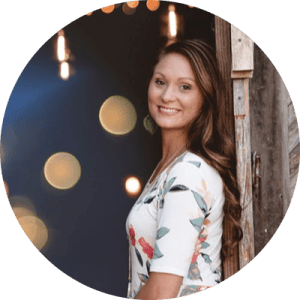
Dr. Katrina Giangarra, DACM, L.Ac., Dipl. O.M.
Licensed Acupuncturist, Founder, & Clinic Director

Isabella (aka Izzy, aka Fluff Nugget) Giangarra
3rd Unofficial Mascot

Calliope (aka Callie) Giangarra
Unofficial Mascot

Esme (aka Ezzy or Ezzers) Giangarra
2nd Unofficial Mascot
Your initial consultation is free. Talk with our Doctor of Acupuncture and Chinese Medicine to learn more.
Or, just call 512-766-3049 and we'll be happy to answer your questions.
Read more about: Our Philosophy | Our History | Our Awesome Staff | Testimonials and Success Stories
* Individual results vary. No guarantee of specific results is warranted or implied and your results will depend on many factors (full disclaimer).
Located in Spicewood

Karma Zen Acupuncture is located in a serene spot off of Highway-71 between the entrances of Sweetwater in the Bee Creek Business Park. Whether you live locally in Spicewood or in the surrounding areas of Briarcliff, Marble Falls, Lakeway, Bee Cave, Austin, or Dripping Springs, we are happy to provide a peaceful and relaxing environment as we help you on your path to better health. The location is a hidden gem as it’s great for those locally, not wanting to travel far, and for those wanting to escape from the more chaotic and busier areas.
Your initial consultation is free. Talk with our Doctor of Acupuncture and Chinese Medicine to learn more.
Or, just call 512-766-3049 and we'll be happy to answer your questions.
Read more about: Our Philosophy | Our History | Our Awesome Staff | Testimonials and Success Stories
* Individual results vary. No guarantee of specific results is warranted or implied and your results will depend on many factors (full disclaimer).
